Project Support Team
We are ready to help with your next project. Reach out today to discuss how we can assist you.
+44 1224 724600
sales@subdrill.co.uk
Inspection & Repair
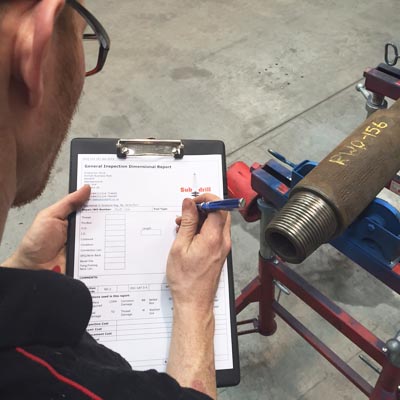
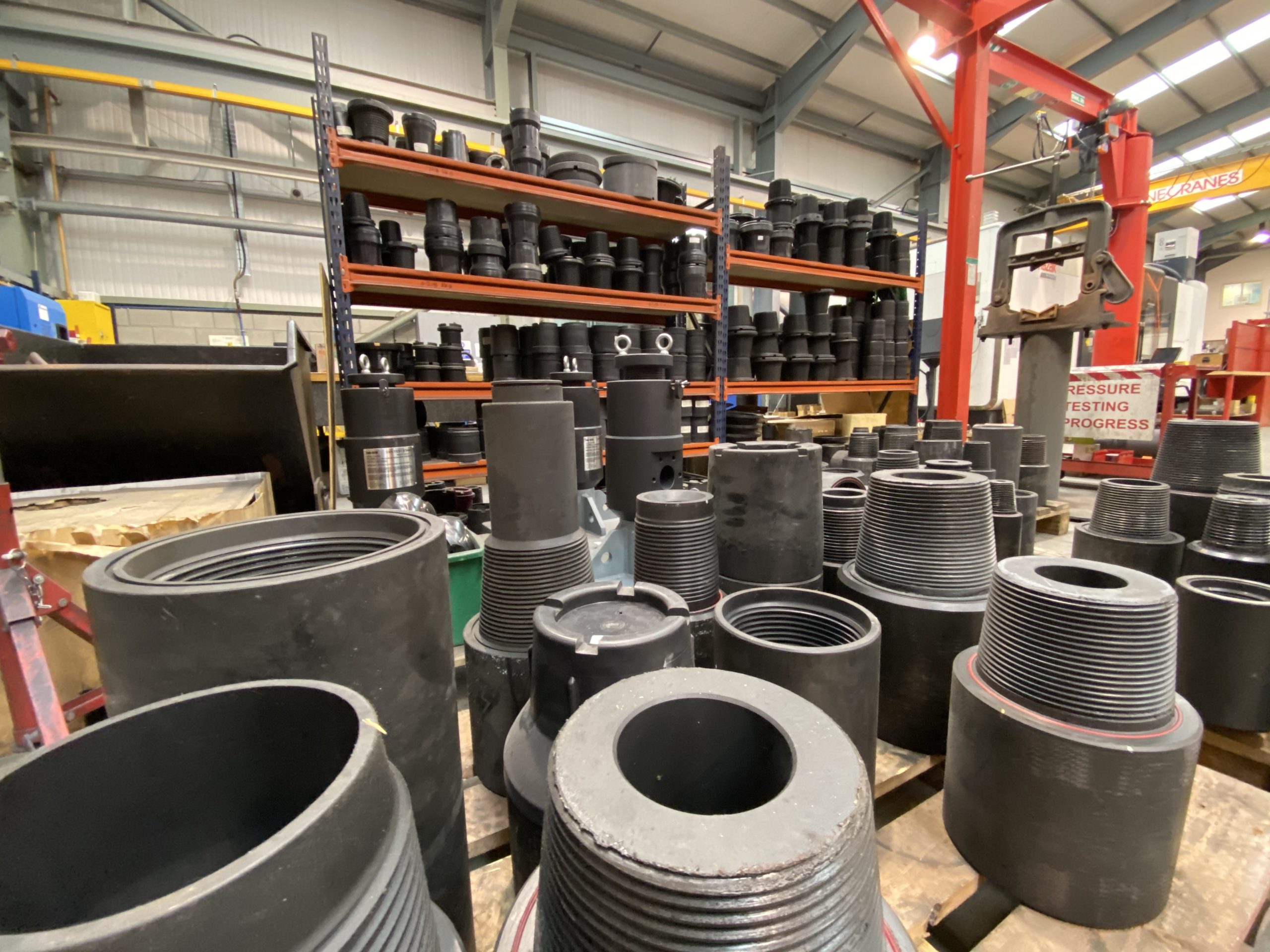
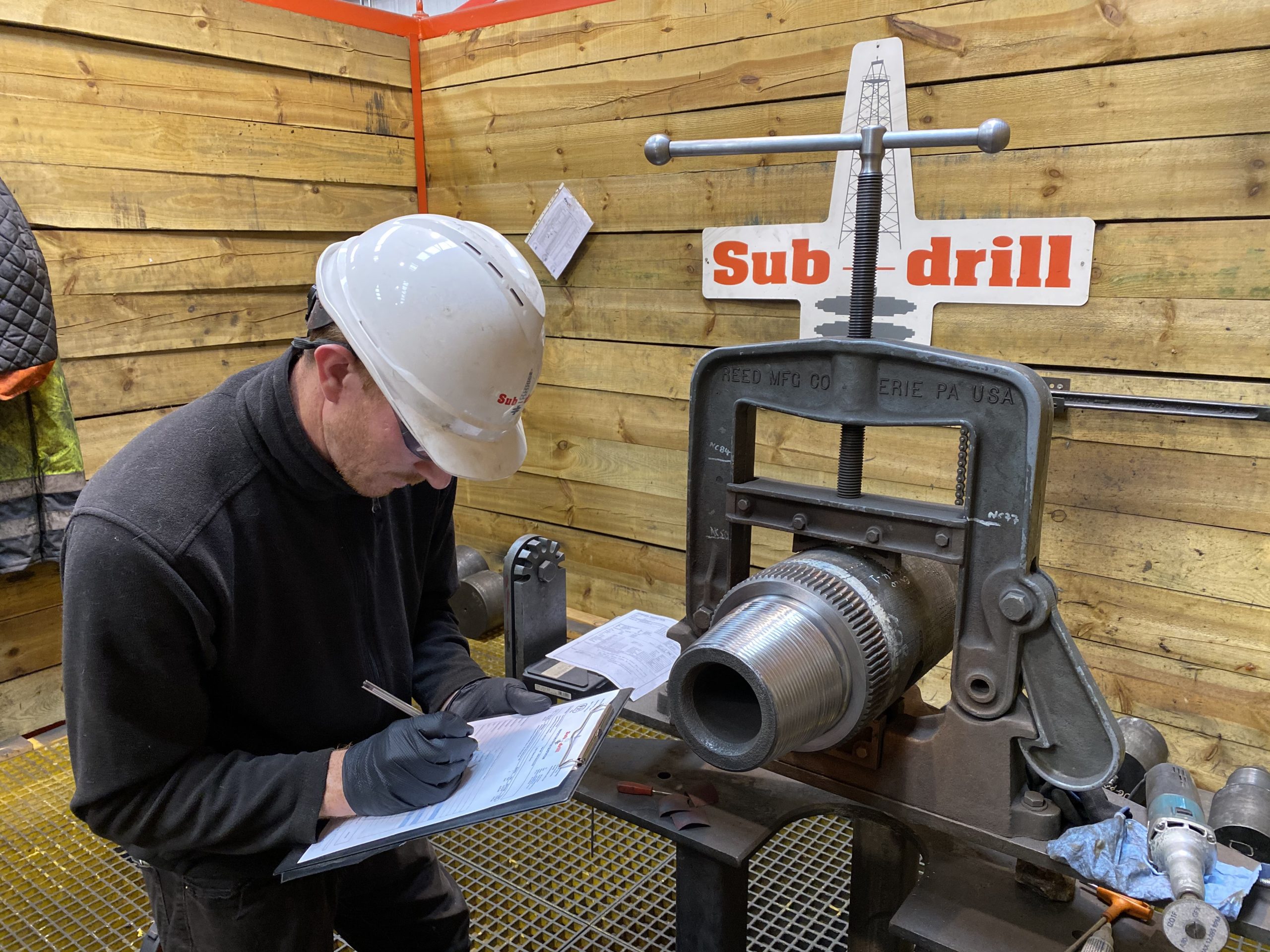
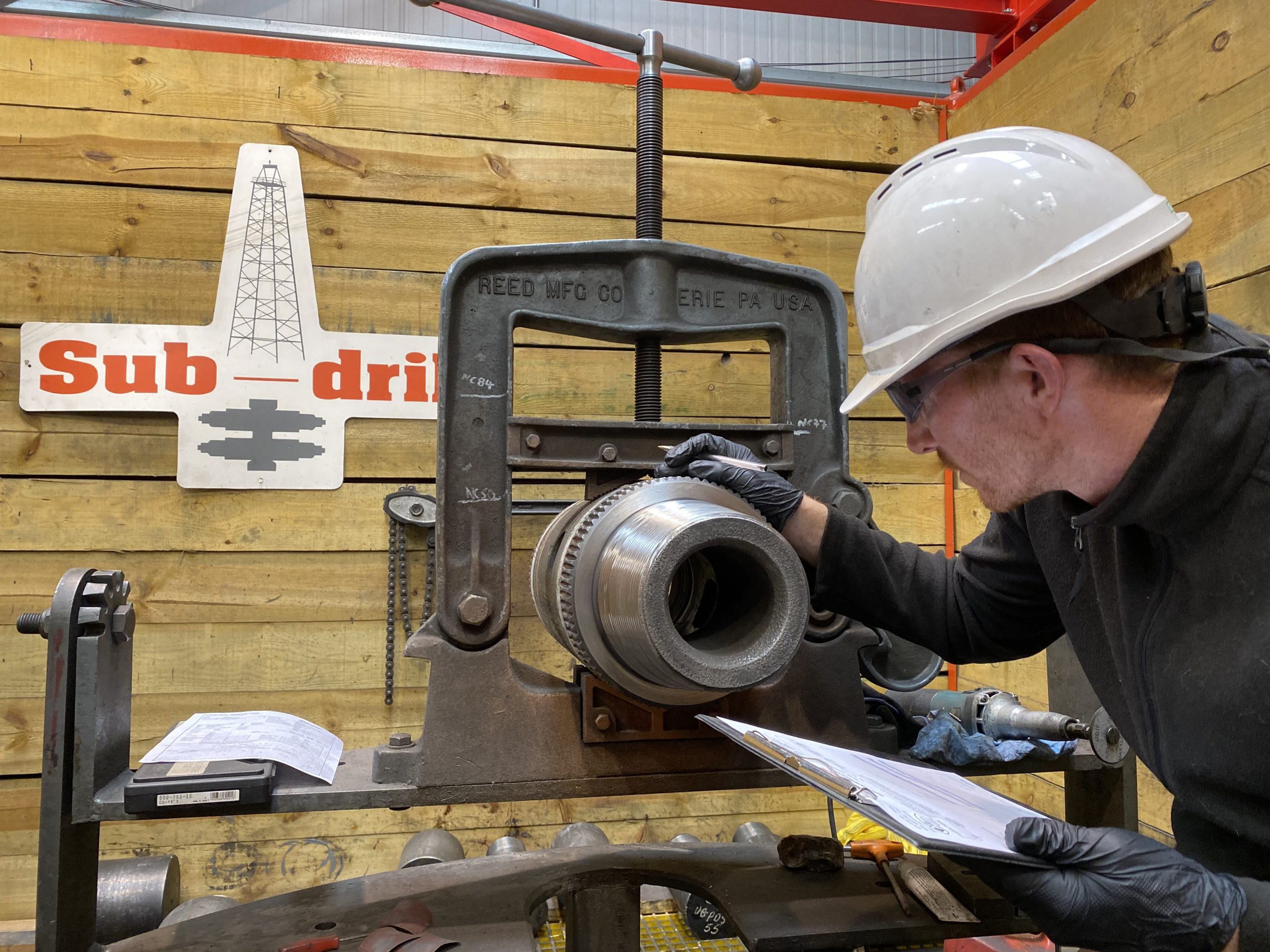
Maximising asset lifespans and ensuring operational safety is paramount to Sub-drill. Our clients rely on us to deliver comprehensive inspection, recertification, and precision repair services for subsea gaskets, downhole tools, and drilling equipment. Our rigorous QA protocols guarantee transparent, data-driven integrity reporting.
Comprehensive Asset Inspection
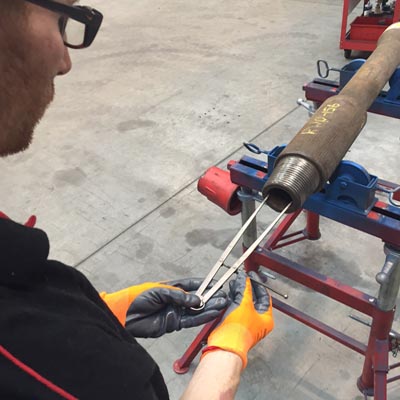
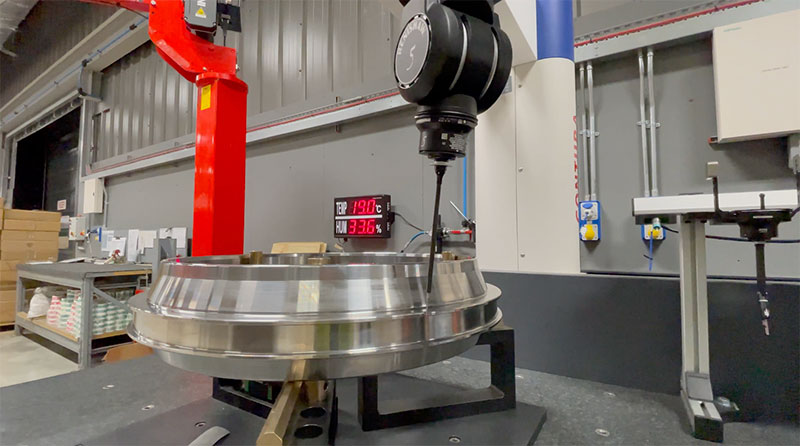
Sub-drill utilises advanced inspection methodologies to identify wear, fatigue, and structural anomalies before they lead to operational failure. Our facility in Westhill, Aberdeen provides full process control over all evaluation phases:
Refurbishment & Component Remediation
When components require remediation, Sub-drill delivers specialised engineering to rebuild, re-machine, and upgrade worn assets. Our fully integrated facility manages the entire repair lifecycle to restore original tolerances:
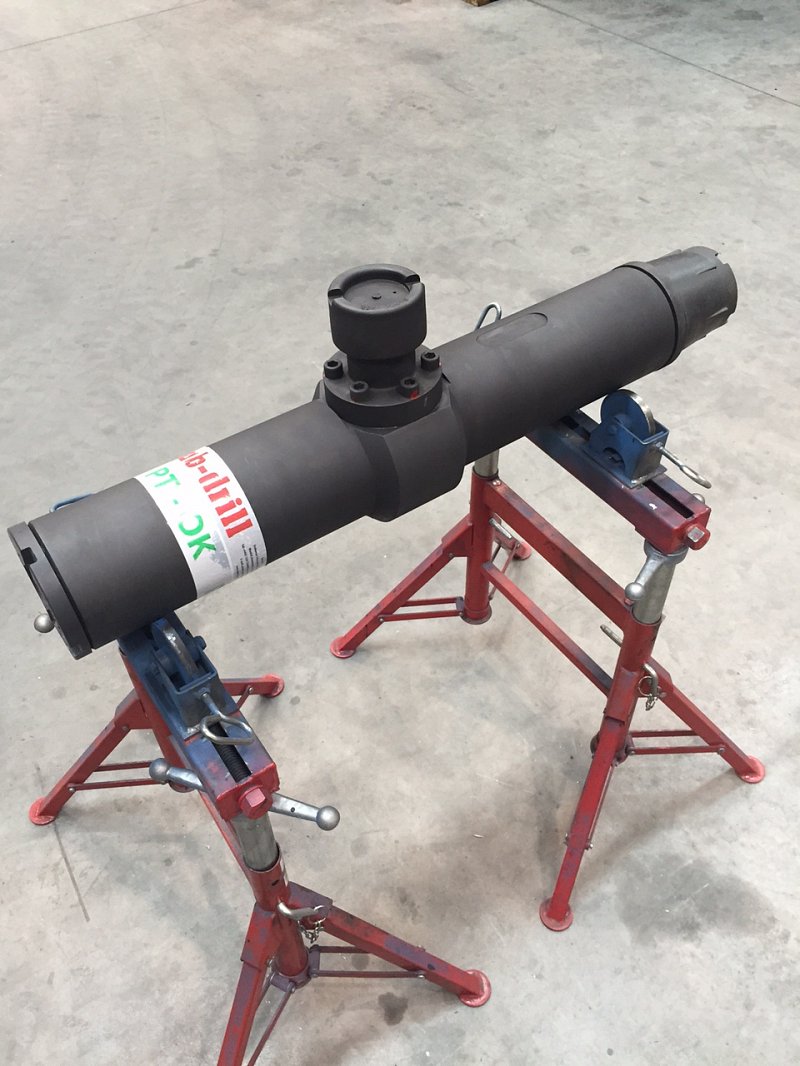
Our service ensures your equipment returns to the field completely verified and ready for deployment.
Rapid Breakdown Response
Sub-drill reacts quickly to urgent inspection and breakdown repair requirements. Our dedicated operations team closely manages the workflow of every project to provide clients with definitive timelines, accurate delivery updates, and reliable feedback.